
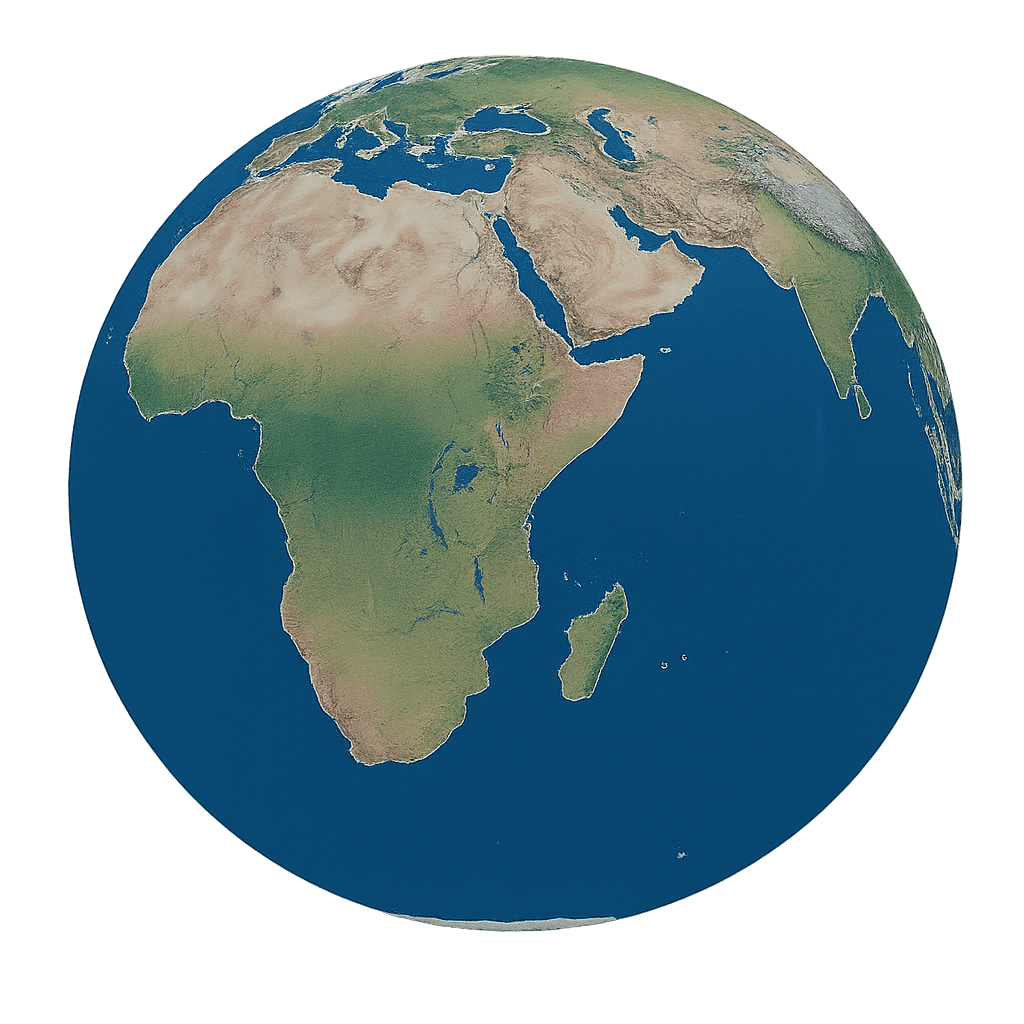
Monsoon Season Highlights Architectural Heritage of Bhojeshwar Temple in Madhya Pradesh
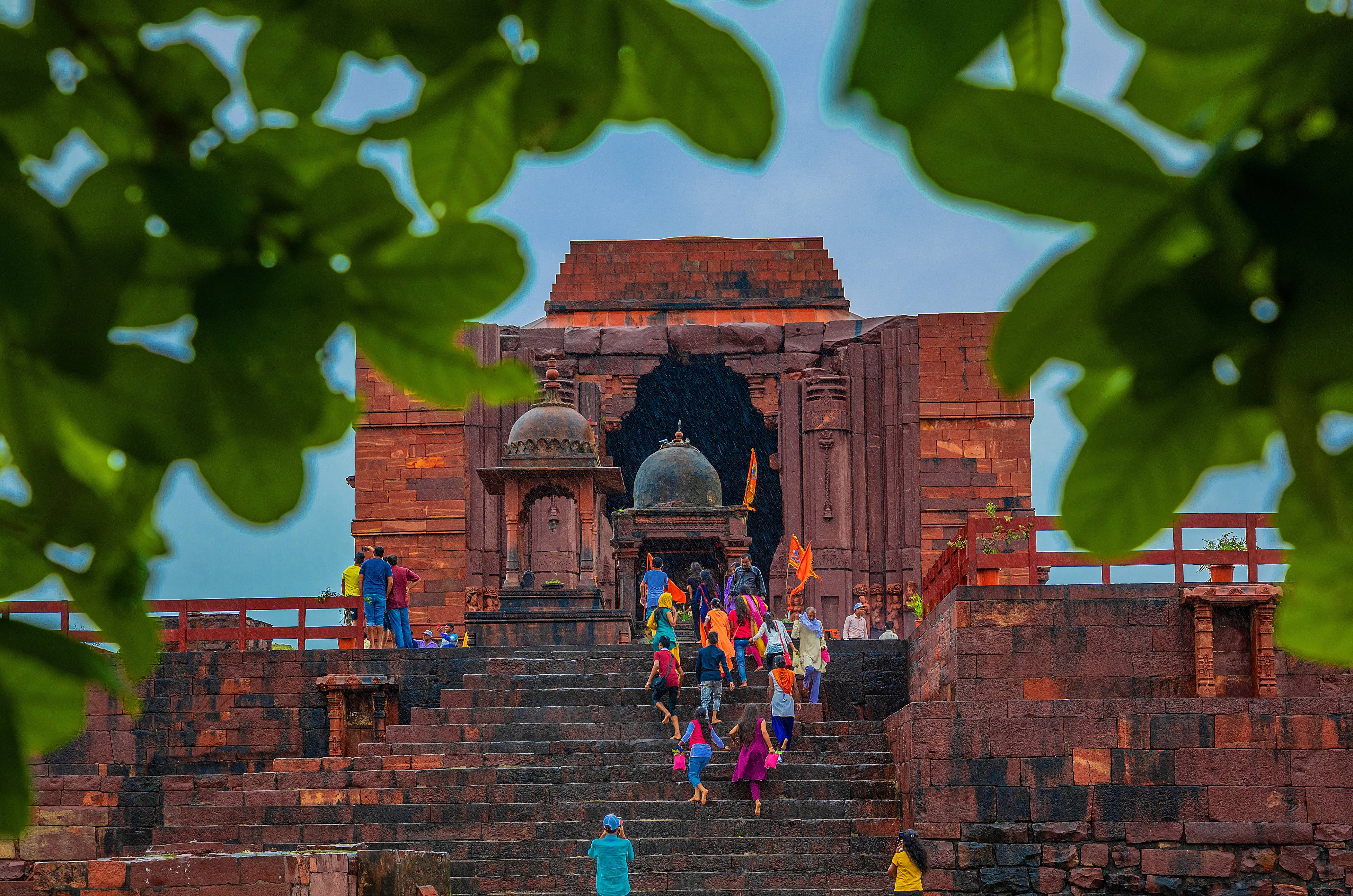
Bhojeshwar Temple Bhojpur - MP
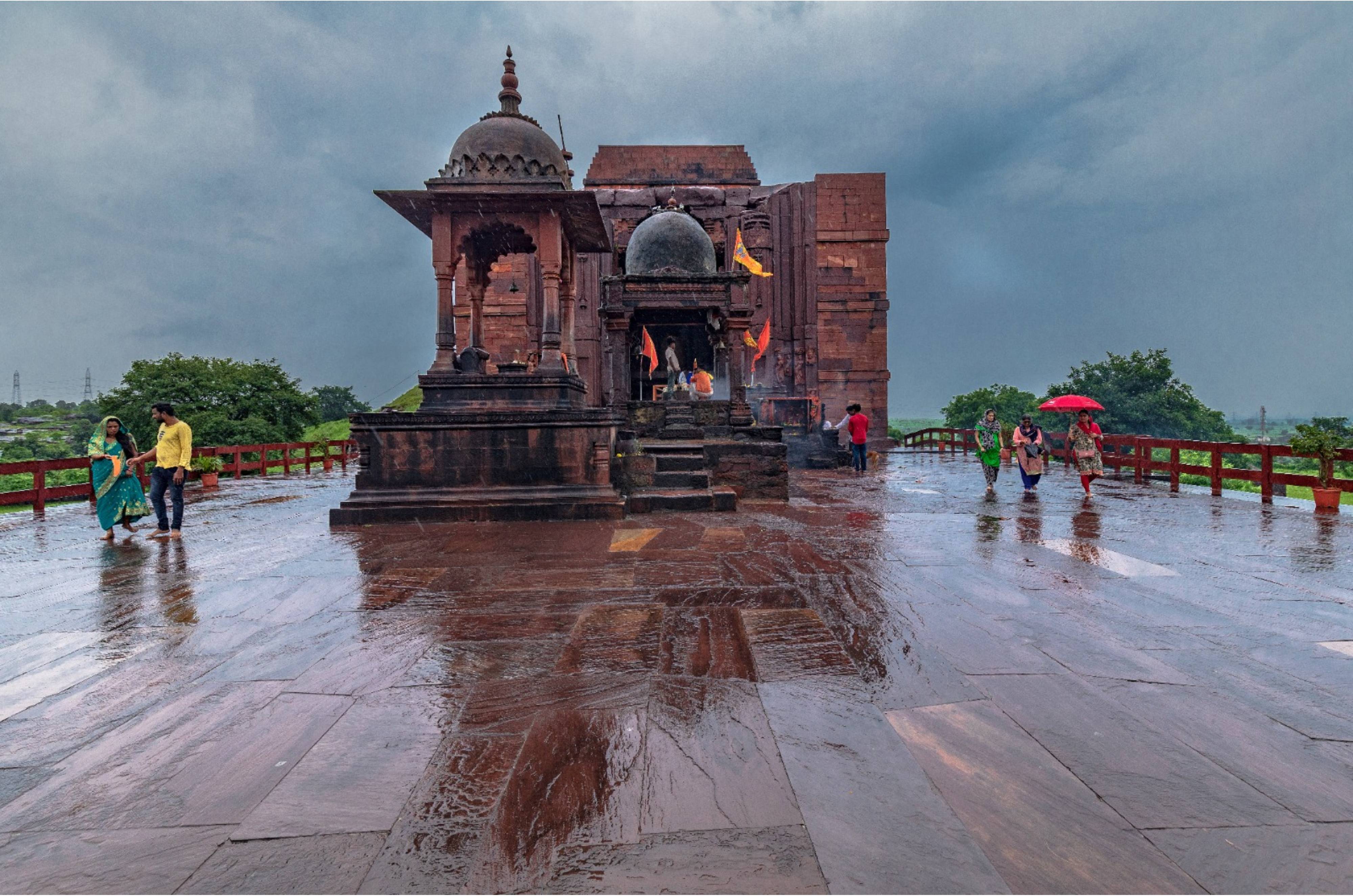
Bhojeshwar Temple during the Monsoons
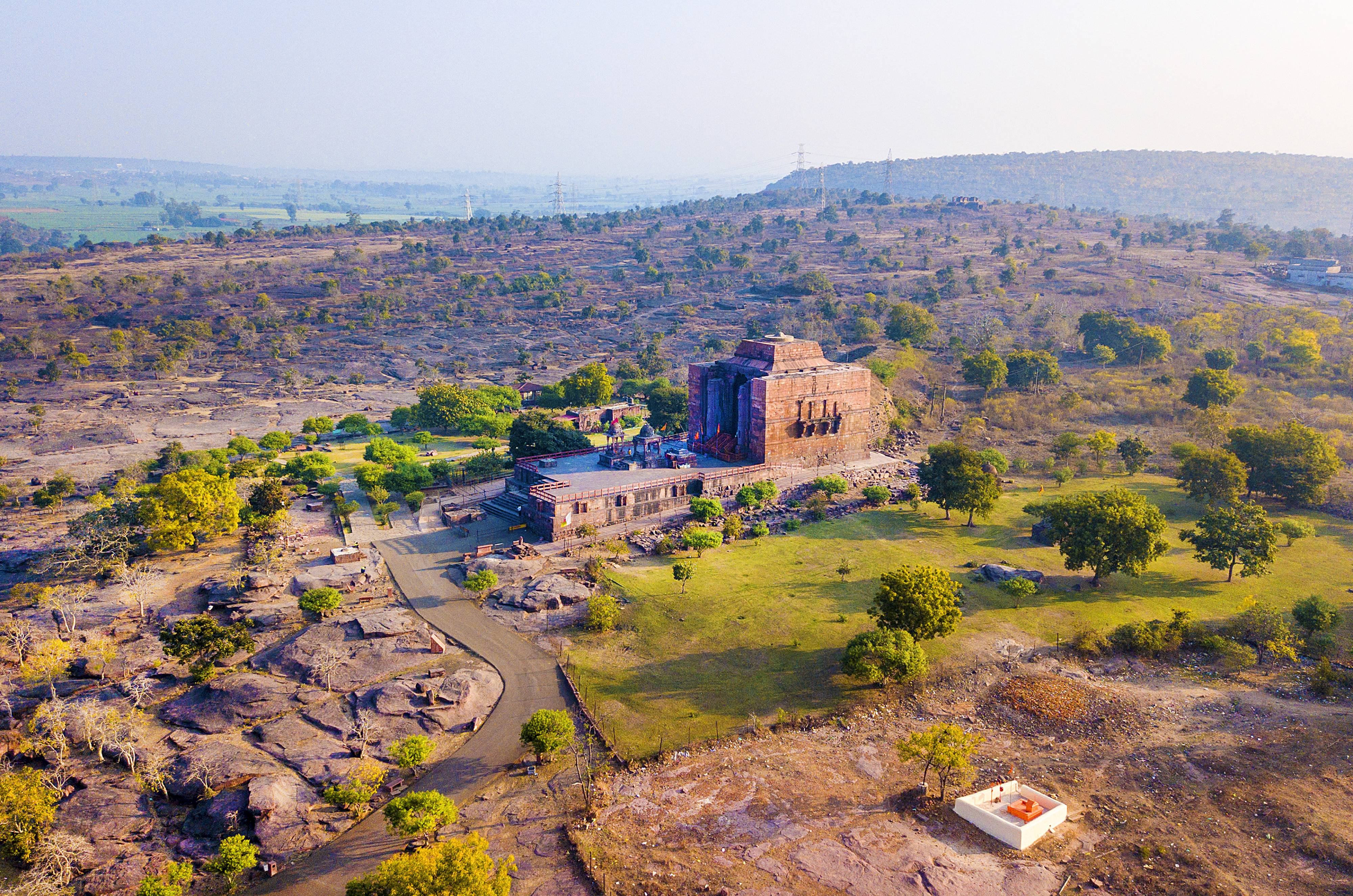
Aerial View of the Bhojeshwar Temple
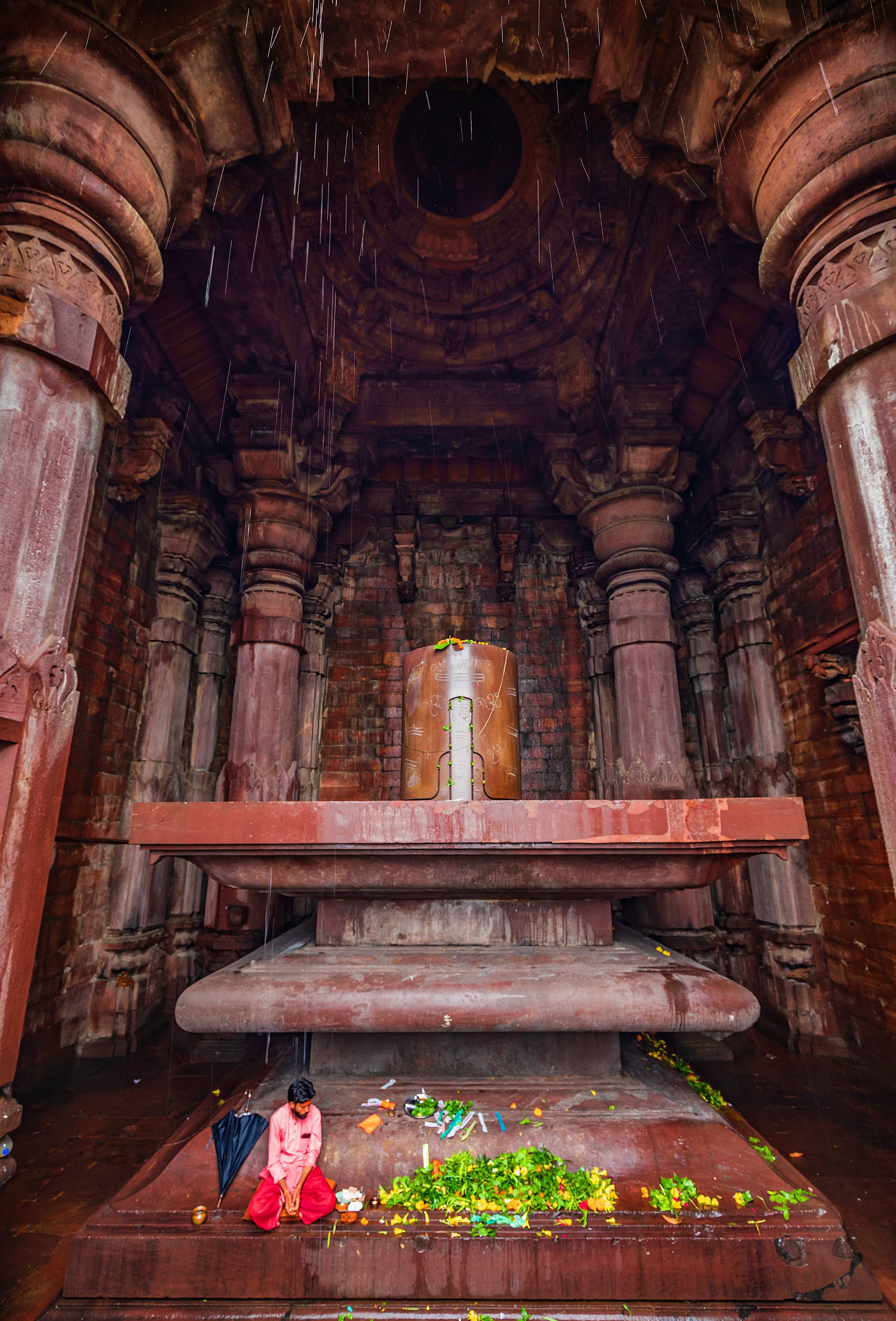
The monumental Shiva Lingam inside the 11th-century Bhojeshwar Temple, Bhojpur.
Situated in the village of Bhojpur in Raisen District, approximately 28 kilometers from Bhopal, Madhya Pradesh, India, the Bhojeshwar Temple is an incomplete 11th-century structure dedicated to Lord Shiva. The temple has been designated as a Monument of National Importance by the Archaeological Survey of India and was recently included in UNESCO’s Tentative List of World Heritage Sites, recognizing its architectural and cultural significance. During the monsoon months of July and August, which correspond with the Hindu month of Shravan, the temple sees a marked increase in pilgrimage activity, set against a landscape transformed by seasonal rainfall into a stretch of dense green vegetation along the banks of the Betwa River.
The temple was constructed during the reign of Raja Bhoj between 1010 and 1055 CE, one of the most prominent rulers of the Paramara dynasty, known for his patronage of arts, architecture, literature, and science. Historical accounts suggest that the temple originally stood on the banks of a man-made lake created by the same ruler through the damming of the Betwa and Kaliasot Rivers, estimated to have covered an area of 250 square miles. The lake no longer exists in its original form, but the reservoir visible from the temple's premises remains a defining feature of the site's landscape.
The Shiva Lingam housed within the Bhojeshwar Temple is among the largest of its kind in India. Rising approximately 7.5 feet (2.3 metres) in height and measuring around 17.8 feet in circumference, it is mounted on a massive square yoni platform carved from stone and assembled using large limestone blocks. The scale of the lingam and its supporting structure reflects the ambitious architectural vision associated with the reign of Raja Bhoj. Constructed without the use of mortar, the temple showcases the engineering expertise and stone craftsmanship of early medieval India, continuing to attract architectural scholars, historians, and pilgrims alike.
What makes the site particularly significant from an architectural study perspective is that it was left unfinished, with a series of large architectural parts still located in the quarries where the stones were cut and fashioned. There are also a significant number of architectural drawings engraved on the flat surfaces of the quarry, showing moldings, pillars, and temple plans. A large earthen ramp behind the temple — often mistaken for a natural hill — survives as evidence of the medieval construction method used to raise stone blocks into position. Historical and architectural evidence suggests construction may have been halted suddenly, possibly due to war, a natural disaster, or the death of the king, though the exact reason remains undetermined.
The monsoon season adds a distinct dimension to visits to Bhojeshwar. The monsoon months from July to September bring refreshing greenery to the surrounding landscape near Bhojpur, with the natural scenery becoming notably more vibrant. The Betwa River gorge adjacent to the temple, which runs through sandstone ridges typical of central India, fills with seasonal water flow, and the forested hillsides around the site take on a character quite different from the drier months. For visitors travelling the circuit that includes the UNESCO World Heritage rock shelters at Bhimbetka — located approximately 25 kilometers from Bhojpur — the monsoon period offers an altered visual context for both sites.
Within the religious calendar, the significance of Shravan to the Bhojeshwar Temple is well established. Pilgrims and spiritual seekers visit to offer jalabhishek — the offering of water — along with milk and bilva leaves to the Shiva Linga, especially during Shivratri and the month of Shravan from July to August. Mondays during Shravan, known as Shravan Somvar, are considered particularly auspicious for Shiva worship, and the temple observes special rituals and darshan timings on these days. The practice of abhishekam — the ritual bathing of the lingam with water, milk, curd, ghee, and honey — takes on added observance during this period, with devotees travelling from Bhopal and the wider Madhya Pradesh region.
The temple's broader heritage context is also worth noting for visitors planning a monsoon itinerary. The Bhojpur site as a whole encompasses not only the Shiva temple but also an unfinished Jain shrine containing a six-meter tall statue of Bhagwan Shantinath, the remains of Raja Bhoja's palace on the plateau above Parvati's Cave, and carved sculptural fragments that date to the 11th century, all within a compact area. The temple won the National Tourism Award for the Best Maintained and Disabled Friendly Monument for the year 2013–14. It is open from 5:30 AM to 8:00 PM daily, with no entry fee for visitors.
Bhojpur is accessible by road from Bhopal in approximately 40 to 45 minutes. The nearest airport is Raja Bhoj Airport, Bhopal, at 28 kilometers, and the nearest major railway station is Bhopal Junction. Madhya Pradesh Tourism operates accommodations in Bhopal that serve as a convenient base for visiting Bhojpur, Bhimbetka, and Sanchi — three heritage sites that form a coherent day-circuit from the state capital and are each at different stages of recognition and preservation.
ZM
Madhya Pradesh Tourism Board
email us here
Visit us on social media:
LinkedIn
Instagram
Facebook
YouTube
X
Architectural Grandeur of Bhojeshwar Mahadev Temple Bhojpur
Legal Disclaimer:
EIN Presswire provides this news content "as is" without warranty of any kind. We do not accept any responsibility or liability for the accuracy, content, images, videos, licenses, completeness, legality, or reliability of the information contained in this article. If you have any complaints or copyright issues related to this article, kindly contact the author above.
