
Living Maternal Relative of Ötzi the Iceman Identified by FamilyTreeDNA, Upending Scientific Consensus
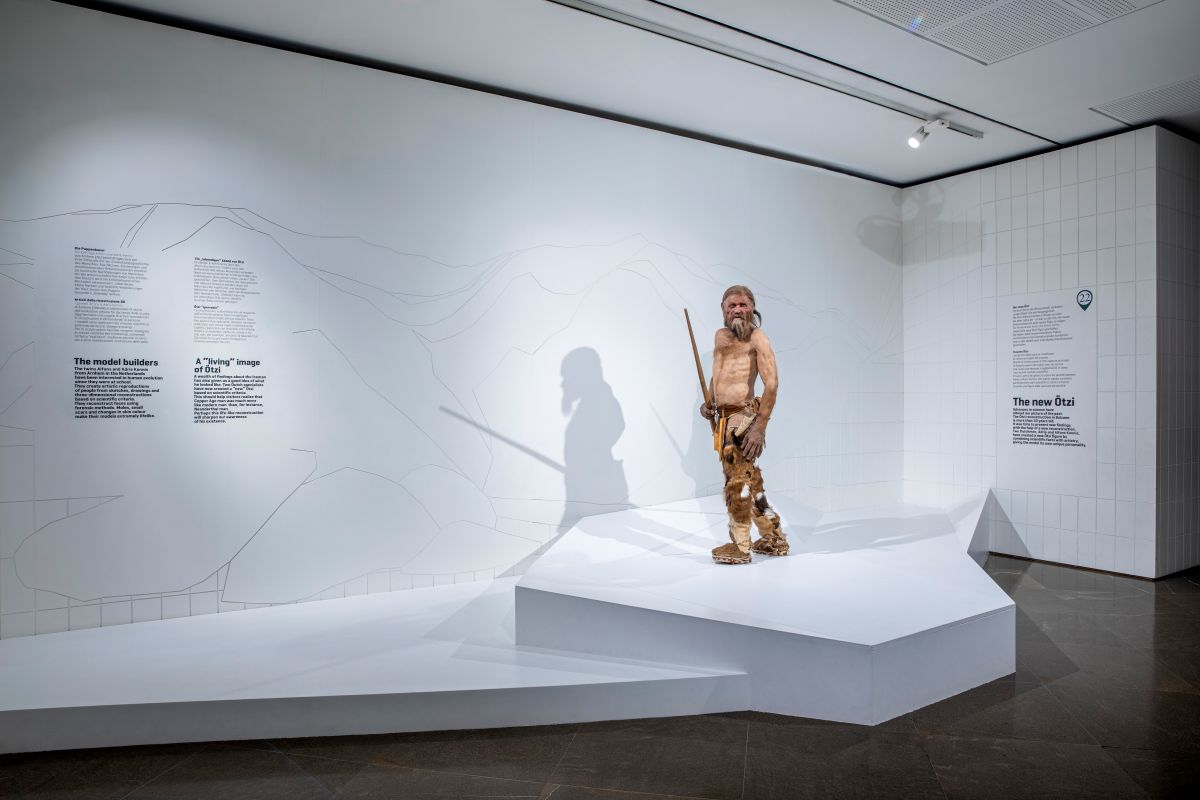
@SOUTH TYROL MUSEUM OF ARCHAEOLOGY/OCHSENREITER
HOUSTON, TX, UNITED STATES, February 18, 2026 /EINPresswire.com/ -- For more than three decades, Ötzi the Iceman has been one of the world’s most remarkable archaeological discoveries. Found frozen in a glacier in the Ötztal Alps along the Italian-Austrian border in 1991, the naturally mummified remains of a man who lived more than 5,000 years ago have provided rare insight into prehistoric European life. His clothing, tools, health, ancestry, and even his 61 tattoos, the oldest known, have been studied in extraordinary detail.
In 2008, genetic research suggested that Ötzi’s maternal lineage was extinct. His mitochondrial DNA (mtDNA) carried a rare signature never observed in any living person, leading researchers to conclude he likely had no modern-day matrilineal relatives.
New findings from advanced genetic genealogy research now challenge that conclusion. Scientists at FamilyTreeDNA have identified a living man whose maternal DNA traces to the same ancient lineage as Ötzi, reconnecting a family line believed lost for millennia.
That man is Heddi Abbad, a French citizen whose maternal ancestry comes from northeastern Algeria. He originally tested to learn more about his roots. “At first, I thought it was a joke,” Heddi said. “But when they explained the connection, I realized this was something extraordinary.”
*A Lineage Once Thought Alone
Ötzi’s mtDNA was first analyzed in 2008, with his full genome sequenced in 2012 and again in 2023. Because mitochondrial DNA passes from mother to child with only rare mutations, it is a powerful tool for tracing direct maternal ancestry.
Ötzi belonged to haplogroup K1 but carried two additional mutations distinguishing his maternal line. Initially labeled K1ö and later standardized as K1f, the lineage stood alone for years. Heddi’s mtDNA shares both of Ötzi’s defining mutations, along with three additional mutations that developed over thousands of years. The match does not mean Ötzi is Heddi’s direct ancestor. Since only women pass down mtDNA, the finding shows both men descend from the same ancient maternal grandmother. Their shared ancestor associated with haplogroup K1f is estimated to have lived about 7,000 years ago.
“The fact that Ötzi has no mutations that Heddi does not have tells us their maternal ancestors were relatively close in time,” said Dr. Miguel Vilar, Genetic Anthropologist with FamilyTreeDNA. “This was not a lineage that diverged tens of thousands of years earlier.”
*From the Alps to North Africa
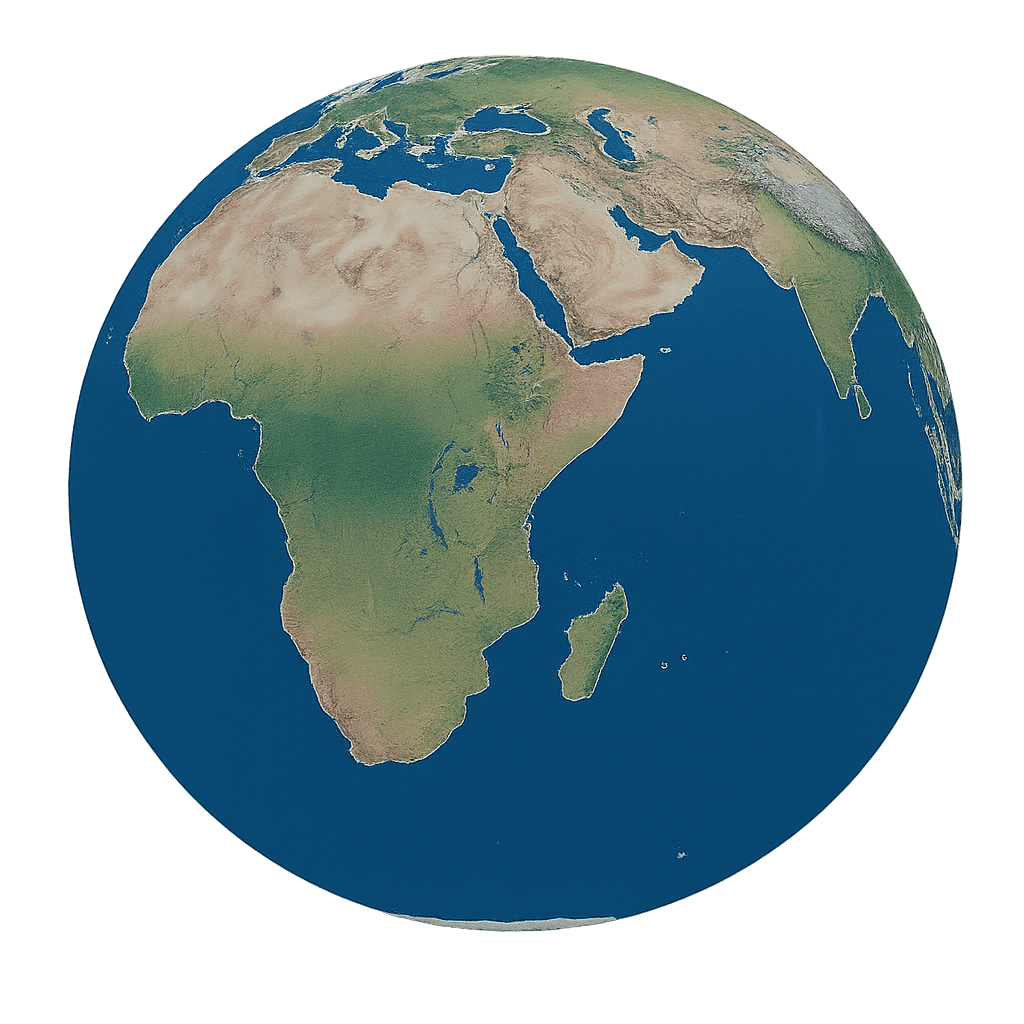
Heddi’s maternal grandmother belonged to the Shawiya Berber ethnic group. Berber populations reflect a blend of ancient Northwest African ancestry and ancestry from the Near East, believed to have arrived through early European Neolithic farmers.
“This is likely a second Neolithic connection between Italy and North Africa,” said Dr. Vilar. “Similar to what we observed with Y chromosome haplogroup R-V88, these links suggest early maritime movement. Finding this lineage in ancient Sardinia, Sicily, or Malta would further support that history.” The discovery reinforces evidence that prehistoric Mediterranean populations were far more mobile and interconnected than once believed.
*A Discovery Rooted in a Global DNA Tree
The connection emerged during development of FamilyTreeDNA’s mtDNA Tree of Humankind, a maternal family tree built from mitochondrial DNA of hundreds of thousands of testers worldwide. Known scientifically as the Mitotree, it is the largest and most detailed mtDNA phylogenetic tree ever created. In 2022, the tree contained 5,469 distinct maternal branches. Today, it includes more than 54,000 and continues to grow.
Further analysis revealed this maternal line also appears in Mesolithic hunter-gatherers from the Iron Gates region of present-day Serbia, medieval burials in Hungary, and sites in Germany. Despite its ancient spread, the lineage remains exceptionally rare today. Heddi must trace back roughly 20,000 years to identify another living matrilineal relative.
*Rewriting What We Thought We Knew
For decades, Ötzi was considered a genetic outlier whose maternal line ended with him. This discovery reframes that narrative and highlights the growing power of genetic genealogy. “Discoveries like this remind us that human history is not static,” said Dr. Vilar. “Every new genome added to the tree has the potential to change what we think we know.” More than 5,000 years after his death, Ötzi’s story continues to unfold, and for one family spanning North Africa and Europe, the ancient past has suddenly become personal again.
Betsy Emery Martin
Orca Communications USA LLC
email us here
Legal Disclaimer:
EIN Presswire provides this news content "as is" without warranty of any kind. We do not accept any responsibility or liability for the accuracy, content, images, videos, licenses, completeness, legality, or reliability of the information contained in this article. If you have any complaints or copyright issues related to this article, kindly contact the author above.
